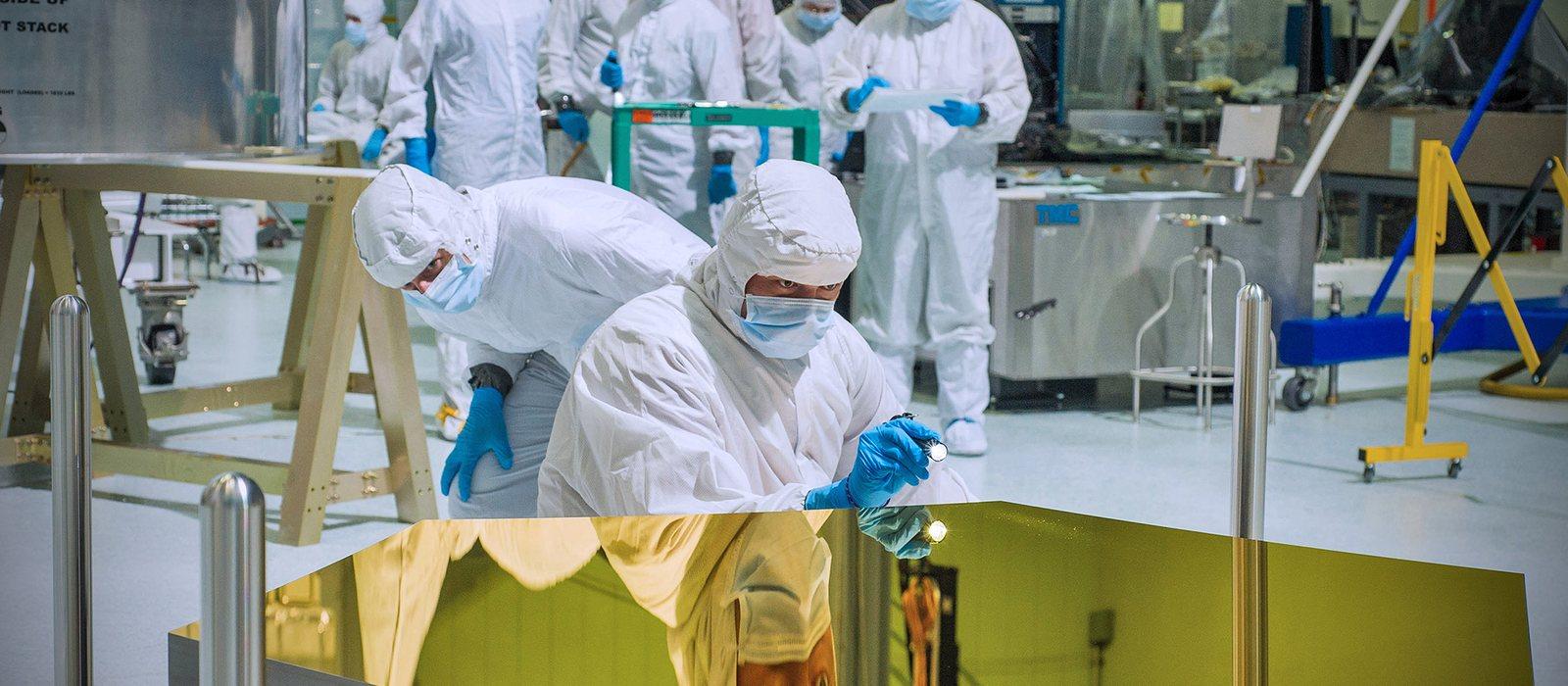
Rules run against facts. The same inputs, the same answer.
Footage: NASA
A legal answer is computed, not generated. The compiler takes the rules and your facts and returns which duties apply, which do not and which are still open, with the path that led there.
run 001demo-ruleset 1.4.0
computing…
The facts are as at the start. So is the fingerprint.
- Export authorisationreads: exportsapplies
- Frequency assignmentreads: transmitsapplies
- Collision avoidancereads: manoeuvres, transmitsdoes not apply
- Incident reportingreads: essentialopen
- End-of-life disposal planreads: no fact, holds for the missionapplies
diff to the run before
Change a fact to see one.
The mission and the five rules are simplified for this page; they do not state what a law requires. The evaluation is real and runs in your browser: the duties, the diff and the fingerprint are computed from the facts you set.
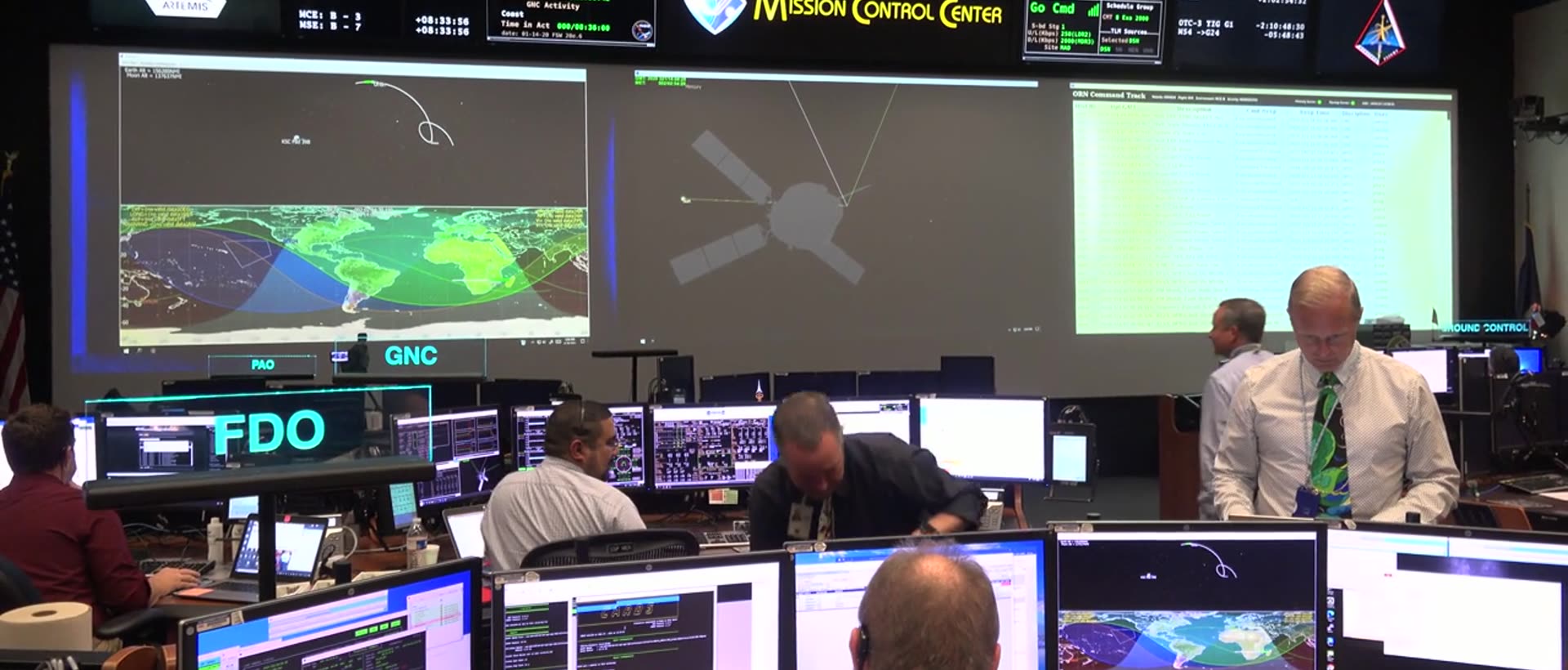
When the mission changes, the answer is run again.
Photo: NASA
What the compiler does
Deterministic by construction, readable from result to wording.
- /0.1
No language model in the path.
The answer to a legal question is computed by code. A language model can explain the result afterwards. It does not produce it.
Today
- /0.2
The same inputs, the same answer.
A result names the version of the rule set and of the engine it was computed with, so the run can be repeated later.
Today
- /0.3
Open stays open.
A rule that lacks a fact reports the fact it lacks. The gap shows up as a question for a person, not as a default.
Today
- /0.4
A diff at each change.
A new datasheet, a new orbit, an amended provision: the affected rules run again and you see which results moved.
In pilot
- /0.5
Ask what would change.
Run a design or a supplier you are considering against the rules before you commit to it.
Planned
- /0.6
Each result shows its path.
Which rule, which element, which fact, which source. The path can be read from the result back to the wording.
Today